When It’s A Façade: Ssense, the Luxury Downturn, and the Energetic Collapse of Prestige
Recently, an Instagram post went viral revealing that SSENSE — one of the most curated, influential luxury e-commerce platforms — owes millions of dollars to many of the brands it features.
Acne Studios. Jacquemus. adidas. Skims. Fear of God.
These are not fringe labels. They’re culture-shaping. Yet they are now reportedly among the unpaid vendors SSENSE listed in court filings under Canada’s Companies’ Creditors Arrangement Act (CCAA) — citing over $371 million CAD in liabilities, with over $93 million owed to vendors alone ¹, ².
This isn’t just a financial restructuring story. It’s a symbol of what happens when a brand’s projected frequency is out of integrity with its actual structure.
And it’s not just SSENSE. It’s the luxury industry itself that is crumbling under the weight of its own incoherence.
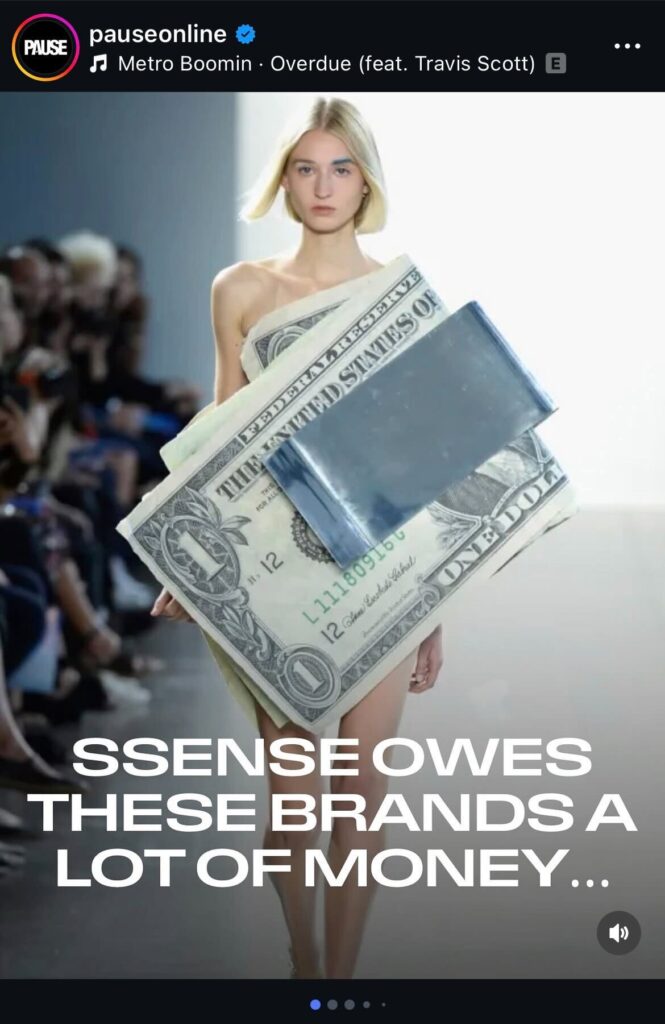
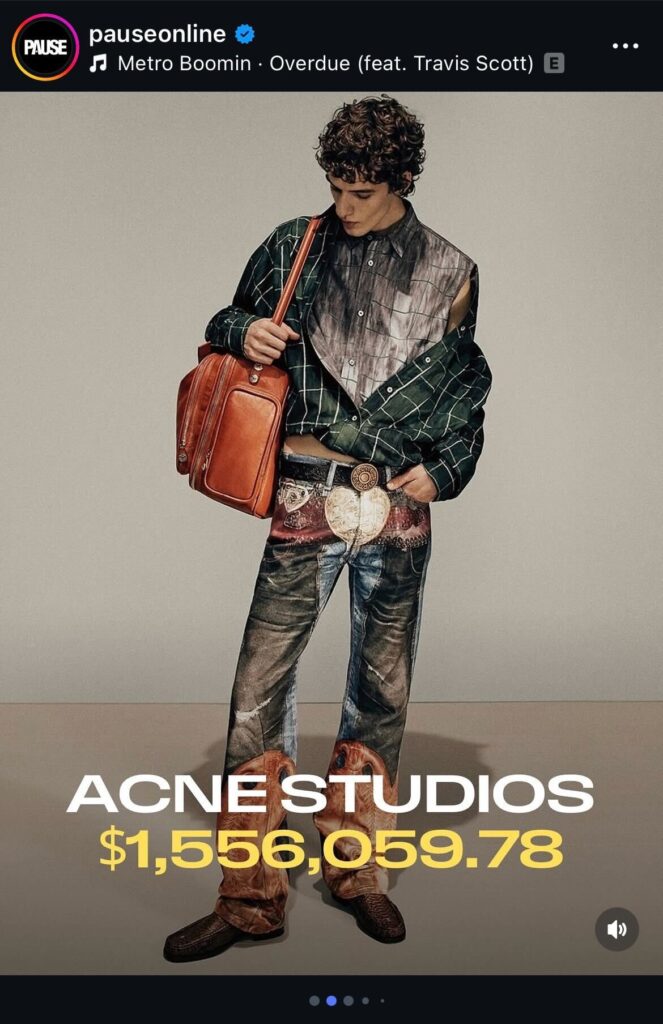
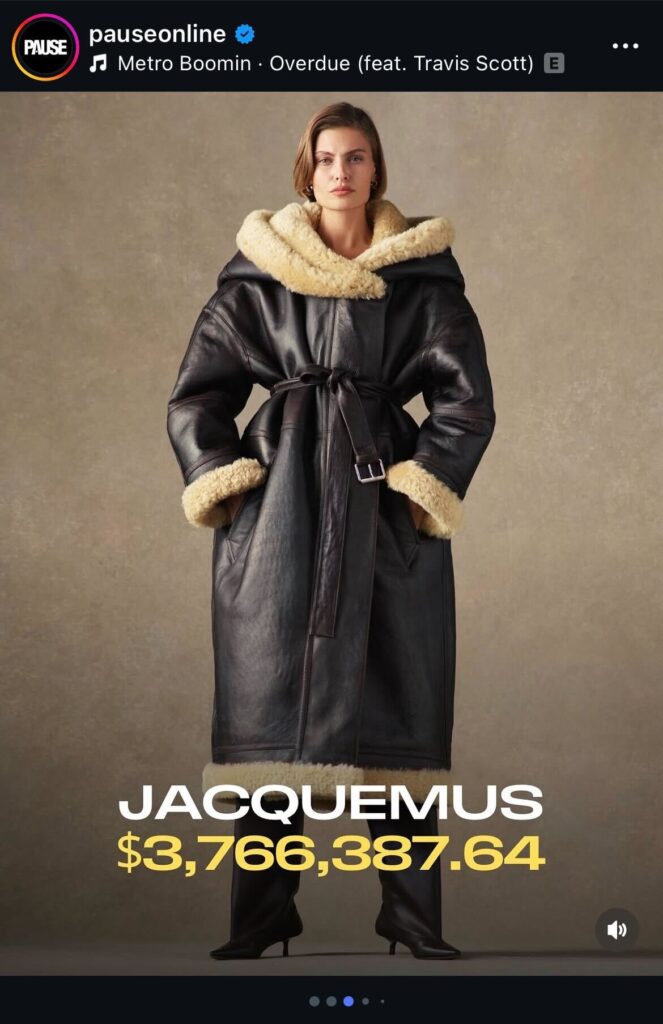
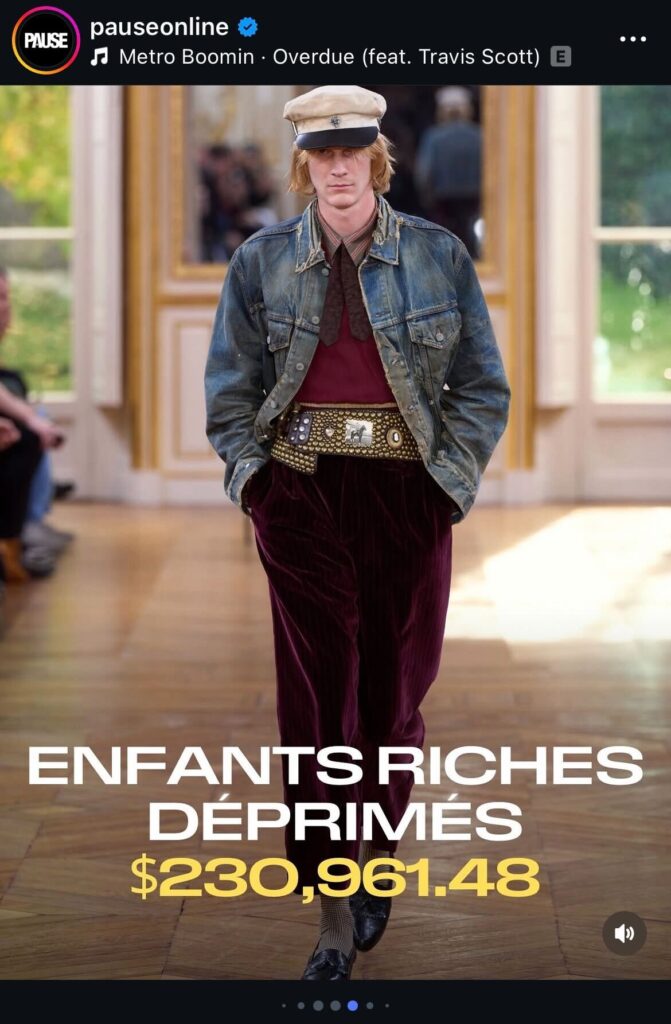
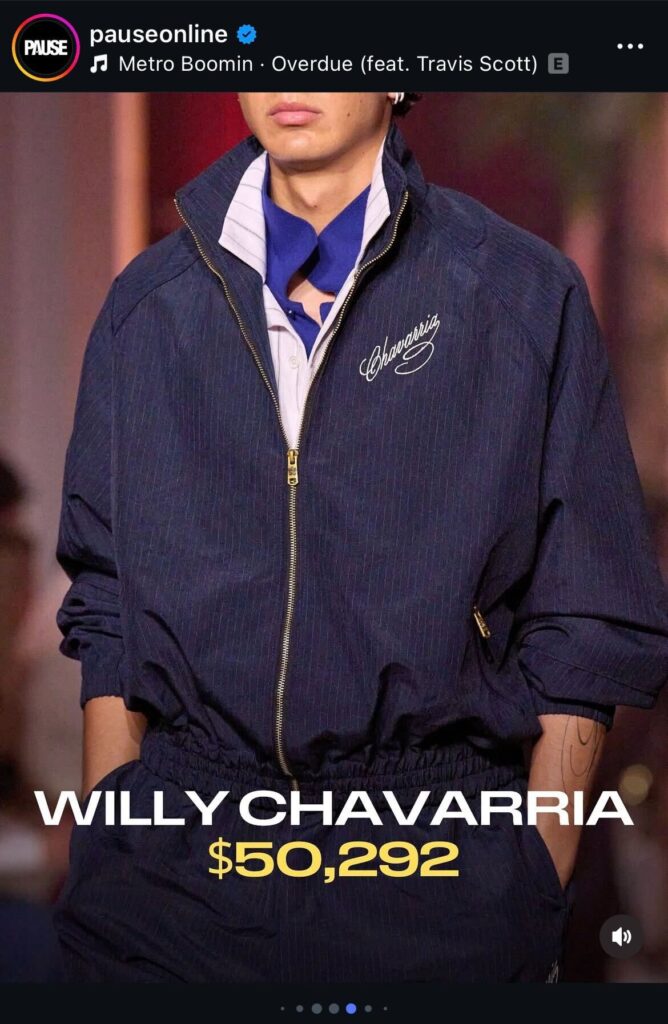
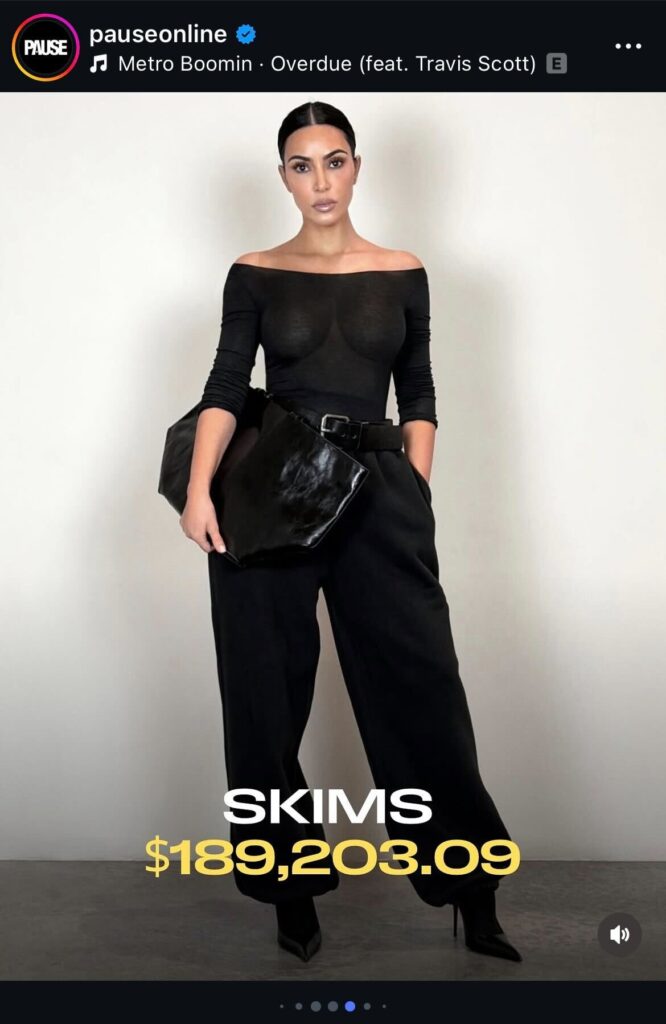
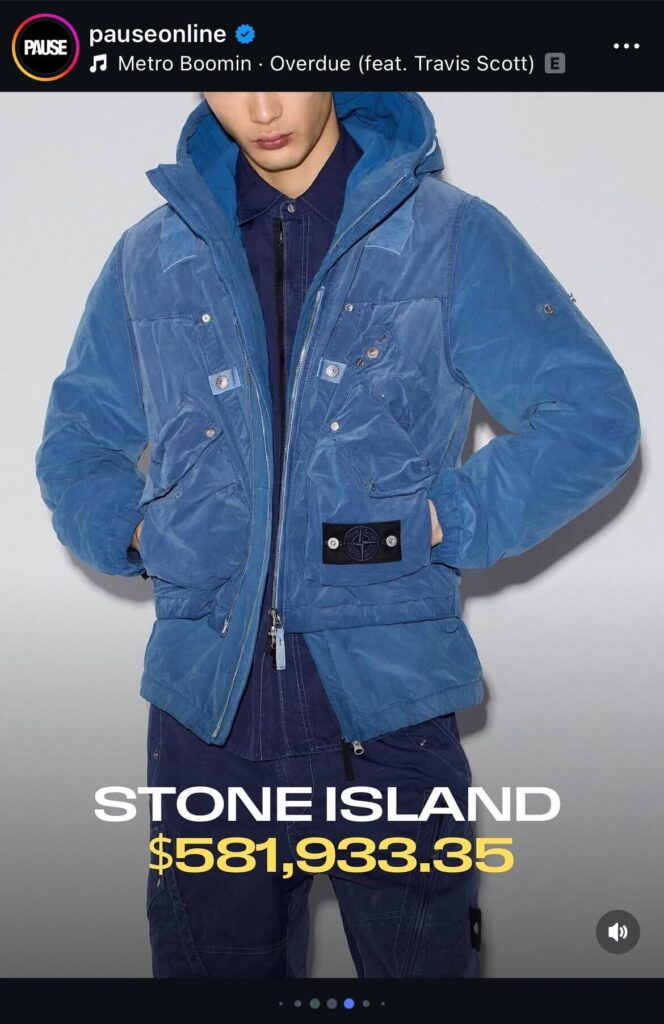
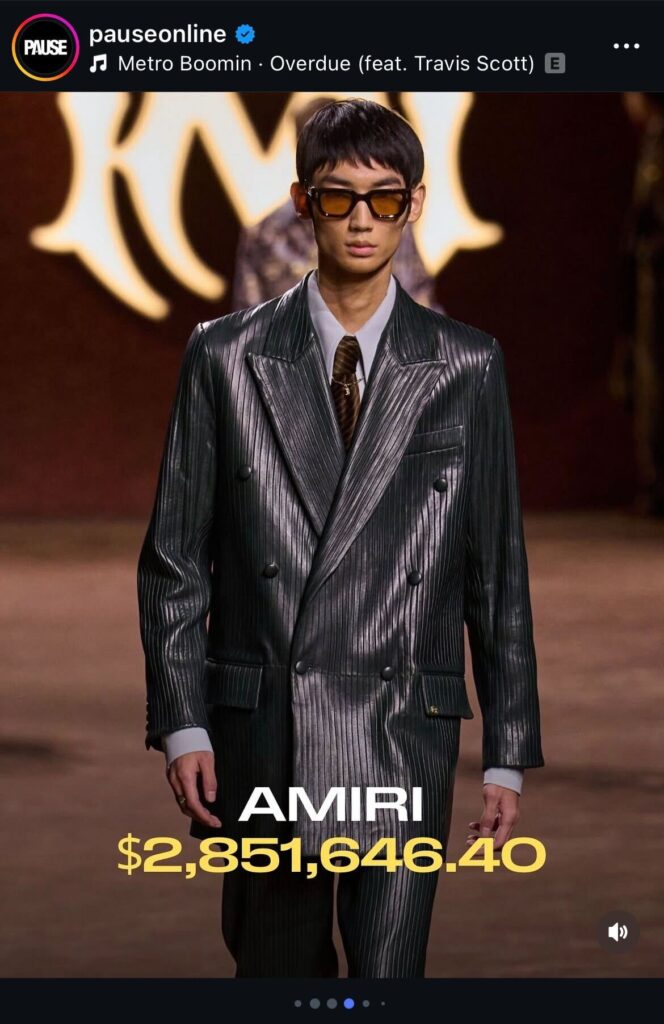
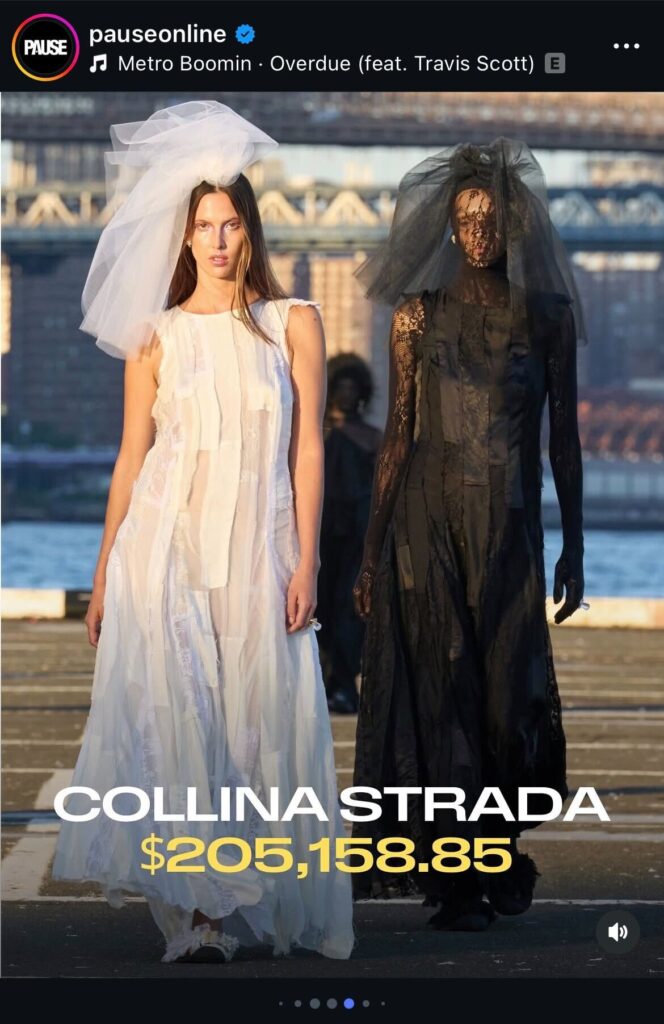
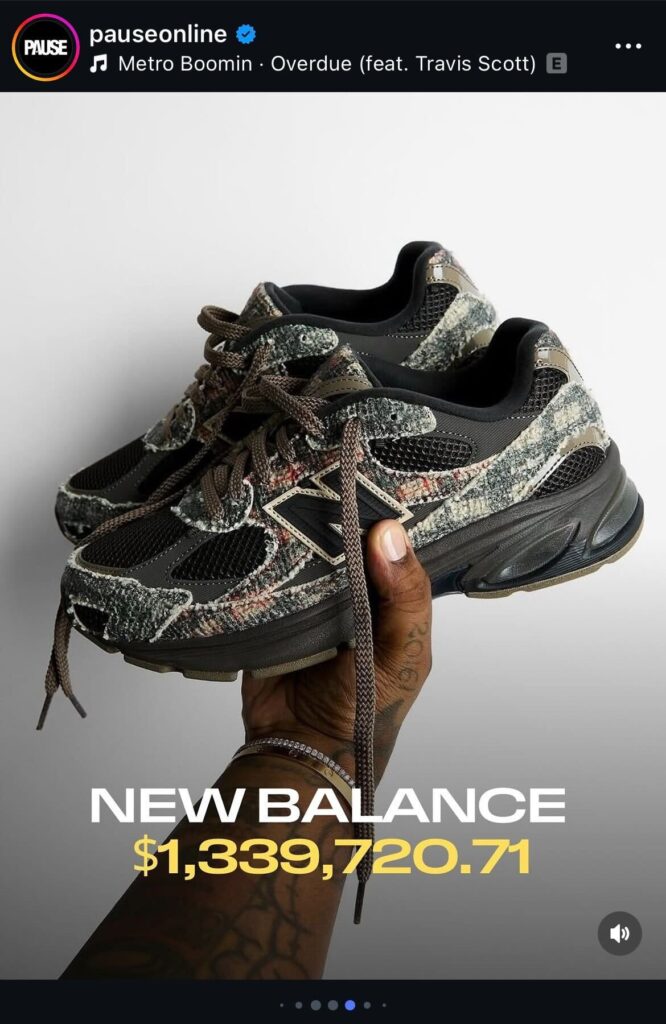
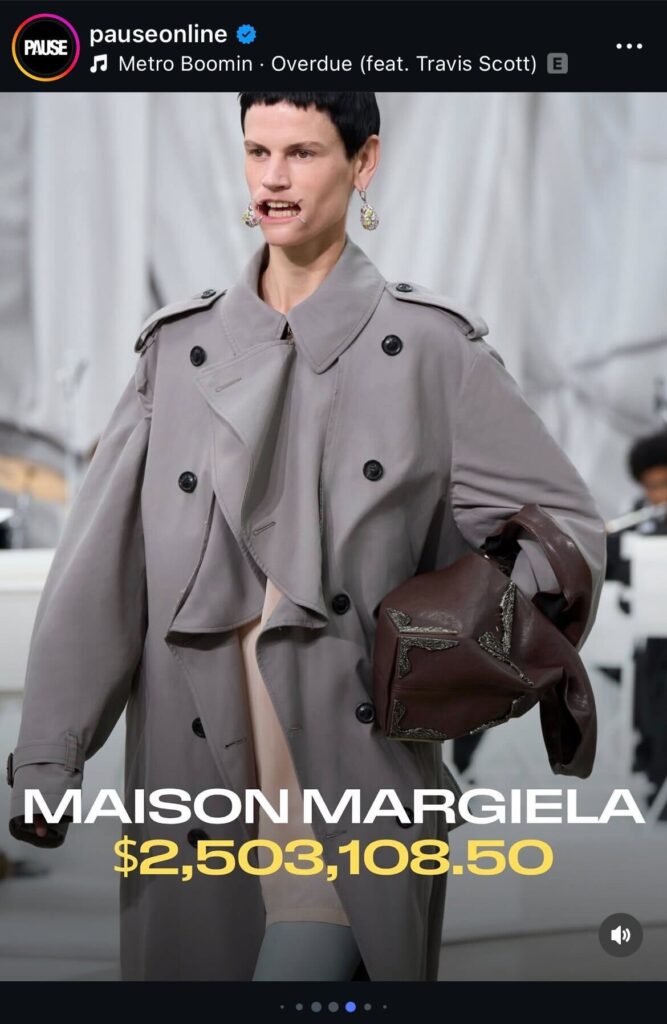
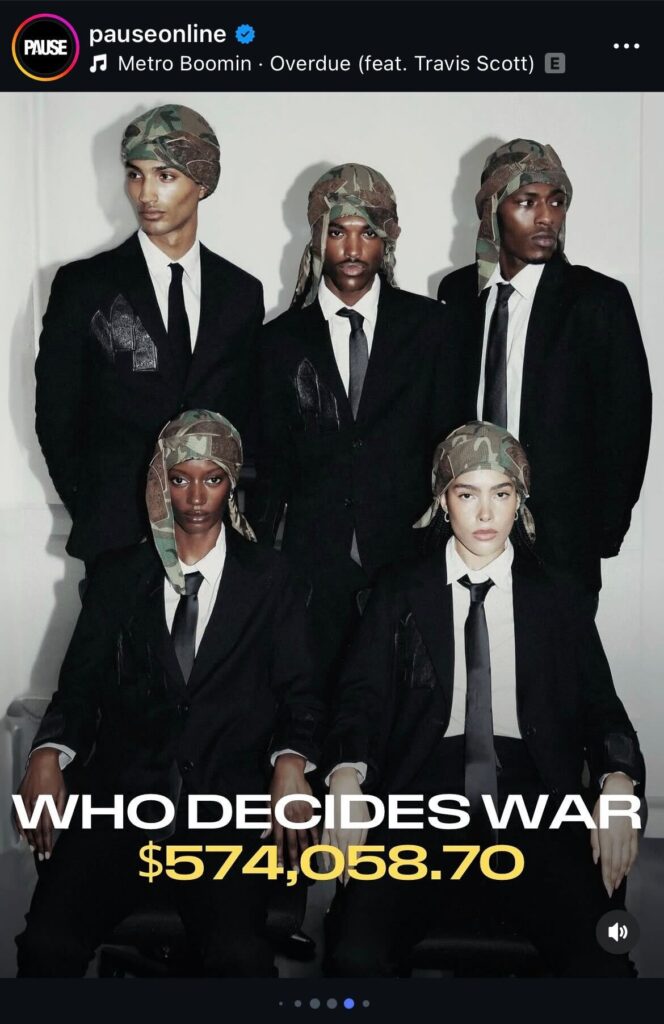
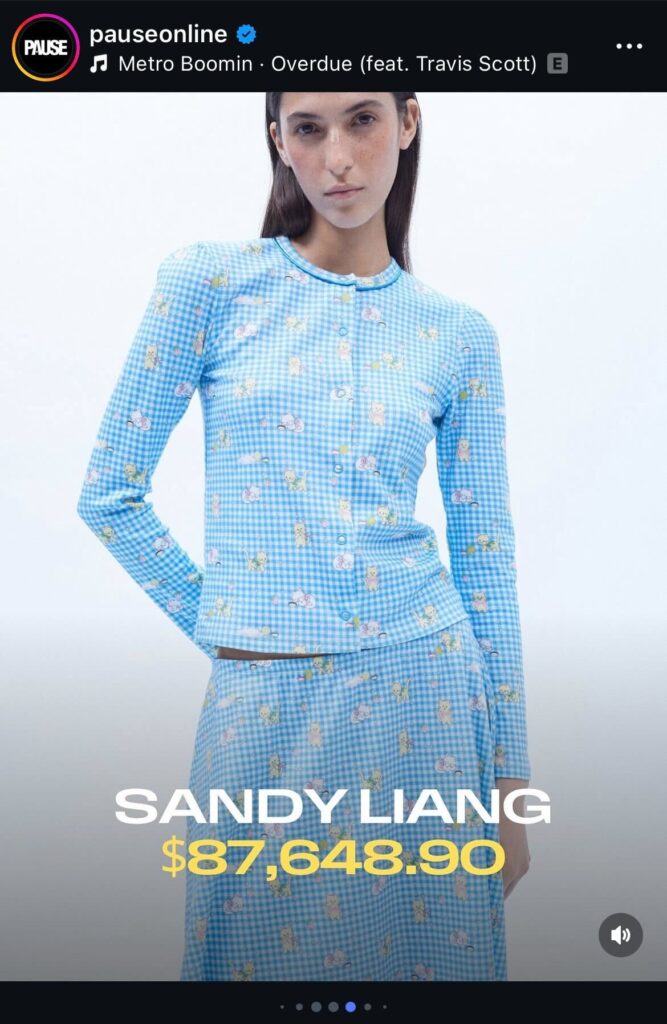
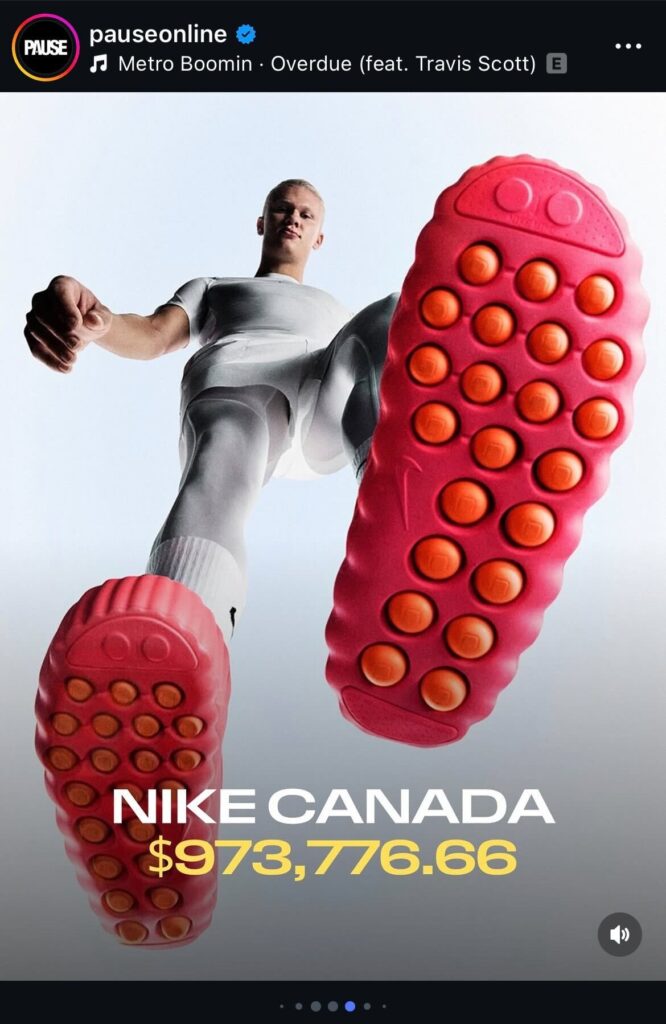
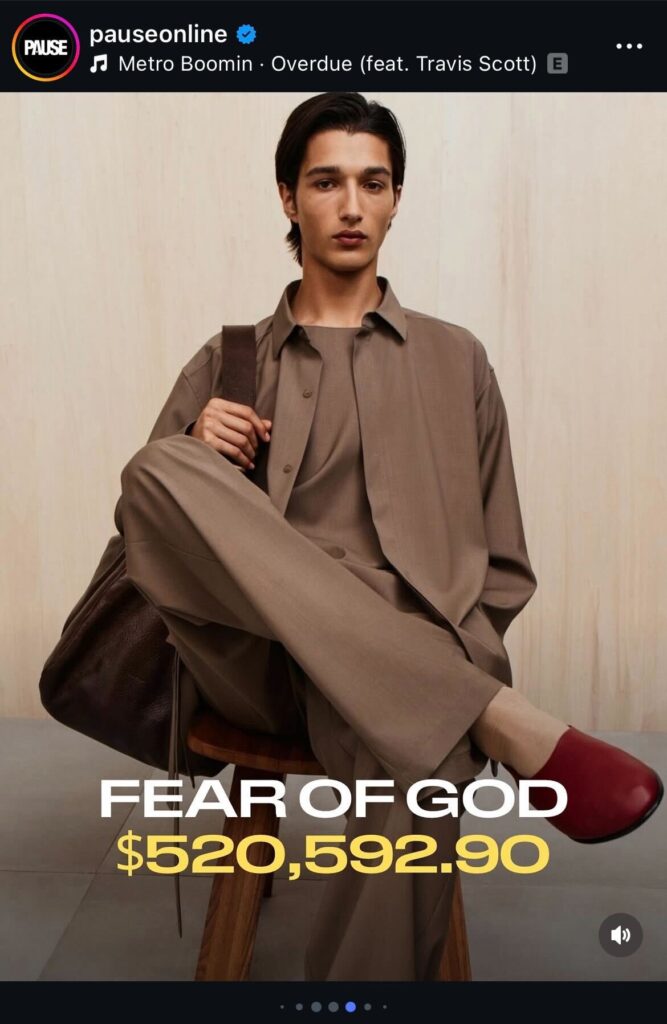
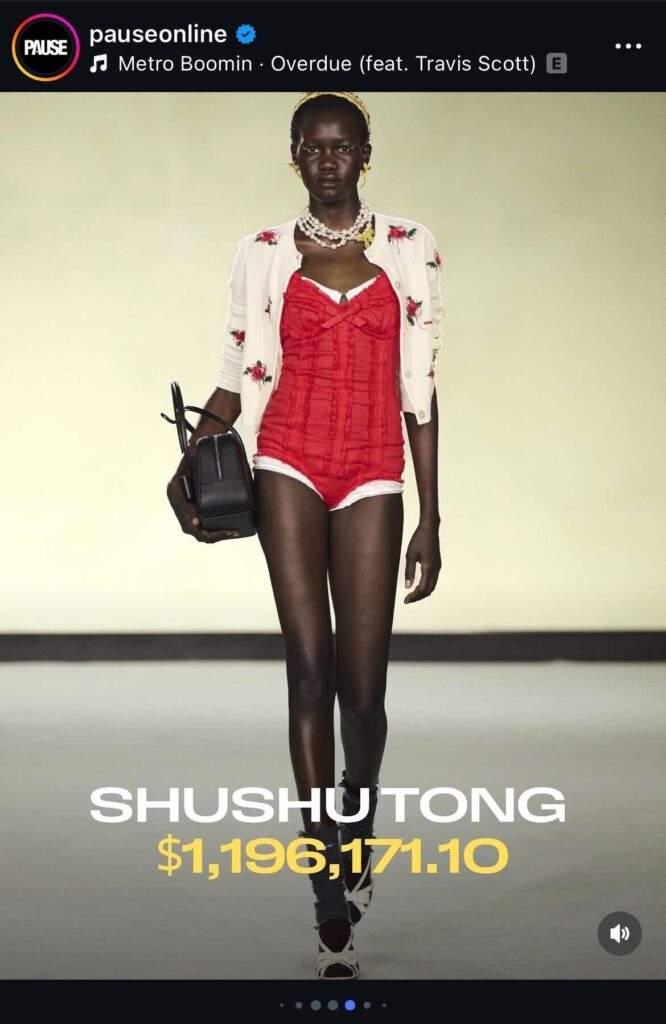
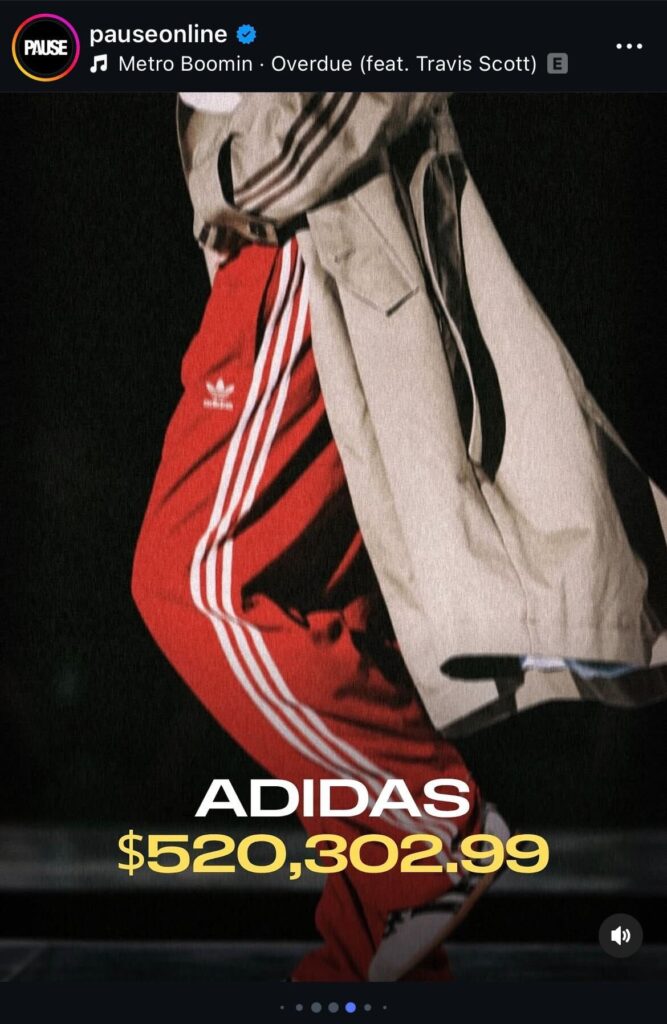
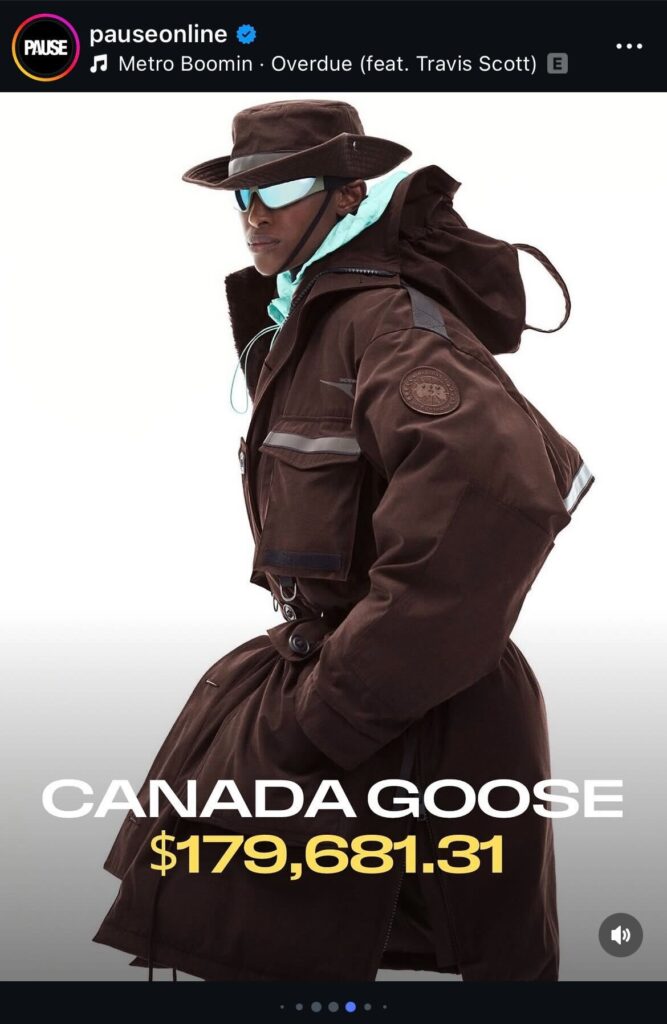
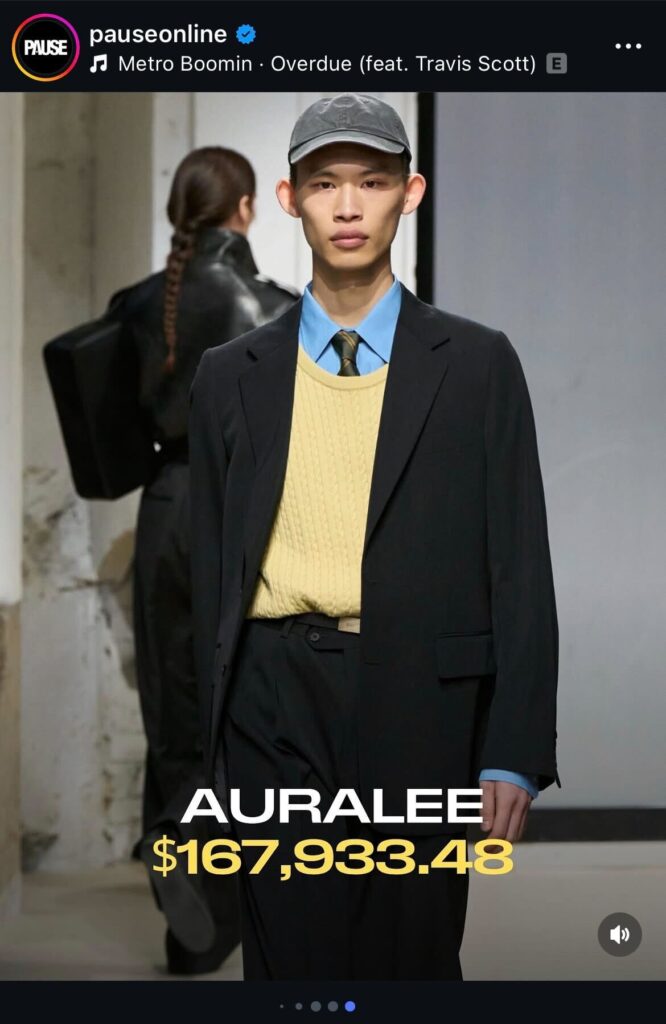
Source: Images from @pauseonline on Instagram. View the original post [here].
The Myth of Recession-Proof Luxury
The Luxury segment has long been immune to economic fluctuations. But something feels and IS different this time.
From 2022–2024, luxury conglomerates reported slowing sales. In Q1 of 2025, major players like Kering and LVMH noted consumer pullback in both Europe and the U.S., a notable shift from years of surging growth. Even affluent buyers are choosing differently.
Why?
Because the energy behind consumption has changed.
We’re exiting the era of mass aspiration and entering one of conscious discernment.
The Frequency Behind the Collapse
For years, SSENSE presented a clean, minimalist, curated brand experience. But internally, it was operating from depletion, extraction, and unsustainable growth models — the exact opposite of the energetic signal it broadcast.
This is what happens when a brand projects innovation but operates in the old paradigm.
When it sells elevation but runs on exploitation.
When it looks like the future — but functions like the past.
That’s dissonance.
And eventually, it breaks.
Luxury Lost Its Signal
At the heart of luxury is perceived value.
But when everyone has access, that perception dilutes.
In chasing scale, many luxury brands did exactly what made them vulnerable:
- Partnering with hundreds of influencers
- Pushing fast-paced drops to manufacture urgency
- Broadening access while pretending exclusivity
The result?
A luxury landscape that started to look… cheap.
And customers who once sought status, now seek substance.
Hermès remains a notable exception, having fiercely maintained a narrow point of entry. Scarcity is baked into their frequency — and it shows in their steady market performance.
Nervous System Burnout Changed Buyer Behavior
What used to be desire-driven is now overstimulated.
Post-pandemic, post-recession, post-scroll — our nervous systems are saturated. And even high-net-worth consumers are realizing that no bag, sneaker, or $3K jacket is going to regulate a dysregulated nervous system.
People no longer want to perform wealth. They want to feel well-thy.
The new question is not, “Does this impress others?” but:
👉 “Does this feel good?”
👉 “Is this built to last — emotionally, energetically, ecologically?”
“Made in Italy” Isn’t What You Think
Meanwhile, luxury’s morals have also cracked.
Police raids in Milan, Florence, and other fashion hubs have revealed forced labor conditions in subcontracted workshops producing for major luxury brands. Immigrant workers — often undocumented — were found sewing high-end garments for as little as €4 per hour, working 12+ hour shifts, 6–7 days a week ³, ⁴.
Brands were “technically” compliant by outsourcing to local contractors — who then re-outsourced in unregulated conditions.
In some cases, semi-finished items are imported from lower cost manufacturing countries, are then completed locally, and labeled “Made in Italy” despite minimal local labor input ⁵.
The integrity of the supply chain — and the energetic truth of craftsmanship — has been replaced by legal loopholes and optical illusions.
🧾 Transparency as Resistance
In the wake of rising tariffs and inflammatory US rhetoric — including a now-infamous remark by JD Vance mocking “Chinese peasants” — some Chinese manufacturers retaliated by exposing cost breakdowns of luxury goods ⁶.
These disclosures revealed shocking truths:
Luxury items that cost €1000–2000 to make were being sold for €20,000–50,000.
Not marked up for quality — but for branding.
And just like that, the mystique of luxury fades.
🧭 What We’re Really Witnessing
This is more than a supply chain issue.
More than a market correction.
More than a Brand loosing it’s sheen.
This is the energetic collapse of performative prestige.
And it’s an opportunity.
An opportunity into building something real.
🌱 The Future of Luxury is Regenerative
The new paradigm of luxury is:
- Coherent — energetically and operationally
- Community-rooted — even if it’s mass-marketed
- Built for health — physical & emotional
- Soul Based — because consumers crave substance
In the Frequency-First™ framework, we begin with the energetic state of your company, your people, and you as a leader.
Because frequency never lies.
What you build must be coherent.
What you scale must ‘land’ for the customers.
What you sell must align with the vision and mission of the brand – not just a financial target.
The question isn’t how to survive the turmoil with strategy.
It’s: How can you create and cultivate an energetic state of joy, flow so that it resonates for your customers AND your team?
Daniela Caine
Transforming the Apparel Industry from the inside out through Nervous System Regulation and Leadership Calibration for healthier teams, products, profits, and ultimately a thriving planet.
Founder of the Frequency-First™ Framework, the BEACON Method ™ | Author of the 7 Frequencies of Leadership Assessment
🔗 Sources + Further Reading
- Vogue Business — Ssense wins court approval
- GQ — Ssense owes millions to indie fashion brands
- Reuters — Chinese workshop owner arrested in Italy
- Reuters — Loro Piana placed under court administration
- The Guardian — Made in Italy label under scrutiny
- Business of Fashion — China pulls back luxury pricing curtail